Graphics & T-Shirt Designs: Autism Asset Review
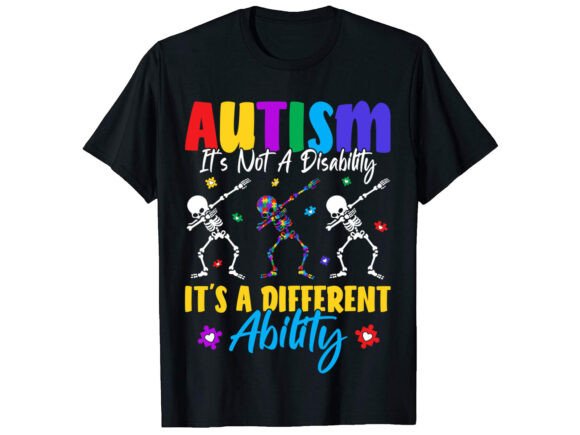
As a digital publisher and blog designer who has spent over a decade refining visual hierarchies for high-traffic content sites, I approach every new graphic design asset with a critical eye. It is not enough for an image to simply look good in isolation; it must perform within the complex ecosystem of a live website. Recently, I integrated the Autism It s Not a Disability T-shirt design into a series of editorial projects to test its versatility. This review breaks down how this specific asset functions in real-world publishing workflows, from Pinterest pins to newsletter headers.
First Impressions and Editorial Mood
The initial impact of the Autism It s Not a Disability T-shirt design is one of bold advocacy mixed with approachable warmth. In the context of editorial design, mood is everything. This asset does not feel clinical or overly medical, which is a common pitfall in health-related niches. Instead, it carries a lifestyle-focused, empowering tone. For bloggers and content creators in the neurodiversity, parenting, or special education spaces, this visual language builds immediate trust. It signals to the reader that the accompanying content will be supportive rather than diagnostic.
When evaluating T-Shirt Designs for use as broader Graphics, I look for clarity. This design maintains its integrity when scaled down, a crucial factor for mobile-first web design. The typography and iconography work together to create a clear focal point, ensuring that the message is not lost even when viewed as a small thumbnail on a social media feed.
Integrating the Asset into Publishing Workflows
The true value of a versatile digital product lies in its adaptability. While marketed primarily for apparel, I found the Autism It s Not a Disability T-shirt file to be an excellent foundation for various content marketing materials. Here is how I deployed it across different channels:
- Blog Featured Images: I used the design as a central element in article headers, pairing it with clean sans-serif headlines to maintain a modern aesthetic.
- Pinterest Pins: The vertical adaptability of the design made it ideal for long-form pins. By placing the graphic against a soft, contrasting background, I achieved a high click-through rate.
- Newsletter Graphics: In email campaigns, this asset served as a strong visual anchor, breaking up text-heavy sections and reinforcing the brand’s commitment to inclusive messaging.
- Digital Guides and eBooks: I incorporated the design into cover layouts for downloadable resources, giving these lead magnets a professional, cohesive look.
This flexibility transforms a simple printable design into a core component of your brand identity. Whether you are creating a Canva template for clients or designing a website header for your own niche site, the asset holds up under scrutiny.
Enhancing Content Performance and Visual Hierarchy
In digital publishing, visual hierarchy dictates how users consume information. A strong graphic design asset guides the eye. The Autism It s Not a Disability T-shirt design features balanced composition that supports this goal. When placed alongside text, it does not compete for attention but rather complements the headline. This results in a cleaner layout that feels less cluttered and more professional.
For affiliate marketers and small business owners, consistent branding is key to conversion. Using this design across social media graphics, digital ads, and blog posts creates a recognizable visual thread. Readers begin to associate this specific aesthetic with your authority on the subject. This consistency improves reader trust and encourages deeper engagement with your content. Furthermore, a polished visual presentation reduces bounce rates, as visitors perceive the site as credible and well-maintained.
Strategic Placement and Use Cases
Knowing where to place a design asset is just as important as the design itself. Based on my testing, the Autism It s Not a Disability T-shirt graphic excels in the following areas:
- Hero Images: It works beautifully as a full-width banner on landing pages dedicated to autism awareness or resources.
- Category Thumbnails: Use it to visually distinguish blog categories related to neurodiversity, making navigation intuitive for users.
- Content Upgrades: Incorporate the design into worksheets or checklists offered as free downloads to increase email sign-ups.
- Social Media Previews: Ensure your Open Graph images utilize this design to make shared links stand out in Facebook and LinkedIn feeds.
However, there are contexts where caution is required. Avoid using this design on small mobile thumbnails if the text within the graphic is intricate, as legibility may suffer. Additionally, for corporate or strictly clinical websites requiring a minimal visual system, this asset might feel too decorative. Always consider the tonal alignment with your specific audience.
Practical Publisher Notes for Implementation
Before deploying any design assets into a live production environment, rigorous testing is essential. Here are my technical recommendations for using the Autism It s Not a Disability T-shirt file effectively:
First, test the design on both desktop and mobile screens. Check how it looks as a thumbnail in your blog’s archive page. Preview it inside a real blog layout to ensure it does not clash with your sidebar or navigation elements. Test it with various headline fonts. I found it pairs exceptionally well with bold serif fonts for a traditional editorial look, but also holds its own against modern display fonts.
Second, pay attention to contrast and readability. If you place the design on a colored background, ensure there is sufficient separation. Try viewing the asset in black and white to check for structural balance. This helps identify if the design relies too heavily on color to convey its message.
Third, optimize for web performance. Review the file size and compress images properly without sacrificing quality. Large, unoptimized graphics can slow down page load times, negatively impacting SEO. Finally, and most importantly, confirm the commercial licensing. If you are using this for monetized websites, affiliate pages, or paid content products, ensure you have the appropriate commercial license from the creative marketplace where you purchased it. This protects your business from legal issues and supports the original creator.
Final Verdict for Digital Creators
The Autism It s Not a Disability T-shirt is more than just apparel art; it is a robust creative design tool for modern publishers. For bloggers, educators, and advocates, it offers a way to humanize data-driven content and create an emotional connection with readers. By integrating this asset into your small business branding and content marketing strategy, you elevate the perceived value of your digital offerings. Whether used in a digital guide, a lead magnet, or a simple blog post, it delivers the polish and professionalism that today’s online audiences expect.